Cornish Clotted Cream
There’s nothing quite like real Cornish clotted cream – with its unmistakable golden crust and luxuriously rich flavour, it’s the award-winning centrepiece of any proper Cornish cream tea. Made with milk from local Cornish herds, our Cornish clotted cream is the perfect finishing touch for strawberry jam-laden scones, or stirred into sauces for a deep, creamy richness.
Every batch of our Cornish Dairy Co. clotted cream boasts a minimum 55% butterfat content and that distinctive golden hue, drawn from the carotene-rich pastures of Cornwall – ensuring every spoonful delivers the true taste of tradition.
What is Cornish Clotted Cream?
Cornish clotted cream is a thick, spoonable dairy product with a rich, velvety texture and a signature golden crust on top. Unlike ordinary double cream, it’s made through a slow heating process that concentrates the cream’s natural fat content to a minimum of 55% butterfat, giving it that unmistakably dense, luxurious consistency.
Its authenticity is protected by PDO (Protected Designation of Origin) status – a guarantee of quality and tradition that sets it apart from cream made anywhere else.
Our PDO Means We’re Authentically Cornish
Our clotted cream carries Protected Designation of Origin status, a legal guarantee that it’s made entirely in Cornwall using milk from Cornish herds and traditional methods. It’s your assurance that what’s in the pot is the real deal, not an imitation made elsewhere and sold under the Cornish name.
The History of Cornish Clotted Cream
In 1976 the Clarke family began dairy farming, and fast forward to 1994, Bill and Rachel Clarke began making their first batches of clotted cream by hand. Working late into the evening, they bottled milk after the children were in bed and delivered it fresh the next morning. Using open trays and traditional methods, they cooked the clotted cream themselves and quickly won over customers.
How Cornish Clotted Cream Is Made
Cornish Dairy Co’s Cornish clotted cream is made from high-fat cream with a minimum butterfat content of 55%, using raw milk from local dairy herds. The milk is gently warmed and separated into skimmed milk and cream, and that cream is filled into pots before being slowly cooked in an oven for a minimum of one hour. During this time the fat rises to the surface, and as the pots are cooled to below 5°C, the famous golden crust forms. All that’s left is to enjoy it on a scone, or on some ice cream as a hedgehog.
The proper Cornish way to enjoy a cream tea is to break the scone by hand, spread each side with jam, then add a generous dollop of clotted cream on top – the jam acts as a barrier, stopping the warm scone from melting the cream. Another traditional treat is the Cornish Split – much like a cream tea, but made with a sweet bread base instead of a scone.
Nutritional Information
A typical serving (around 30g) of Cornish clotted cream contains roughly 177 calories, with 19g of fat, making it richer than double cream but still enjoyed in small, indulgent spoonfuls rather than as an everyday staple. It’s a good source of calcium, and as a natural dairy product, it contains no artificial additives or preservatives.
Typical values per 100g
- Energy 2416KJ/587kcal
- Fat 64g
- (of which saturates) 40g
- Carbohydrate 2.3g
- (of which sugars) 2.3g
- Protein 1.6g
- Salt 0.05g
Allergy Advice: Cows Milk
Additional Details
Once opened, Cornish clotted cream should be kept refrigerated and used within a few days for the best flavour and texture. Clotted cream also freezes well for longer storage, though the texture may soften slightly once thawed. As a dairy product, it’s naturally gluten-free, making it suitable for those avoiding gluten in their cream tea.
- Keep Refrigerated below 5C. Store upright.
- Consume within 3 days of opening.
- Not ideal for home freezing.
- For use by date see top of pack.
- Available sizes: 56g, 100g, 200g, 2 x 200g, 908g
Where To Buy
Cornish clotted cream is widely available in supermarkets across the UK.
- Available in Tesco, Asda, Spar.
- Check out more on where to find us here.
How Much Is Cornish Clotted Cream?
Prices typically range from around £2 to £4 for a standard 200g tub, depending on the retailer and brand. Larger tubs and premium or artisan varieties may cost more, but clotted cream remains an affordable treat considering how far a single tub goes across a batch of scones.
Delicious Cornish Clotted Cream Recipes
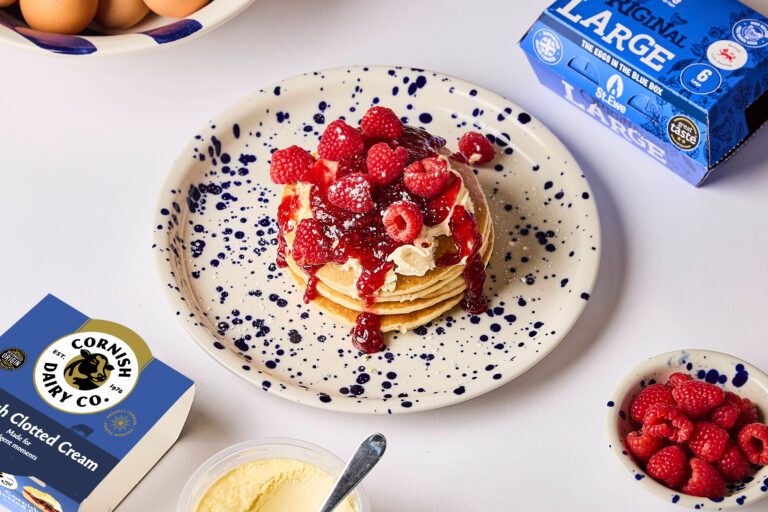
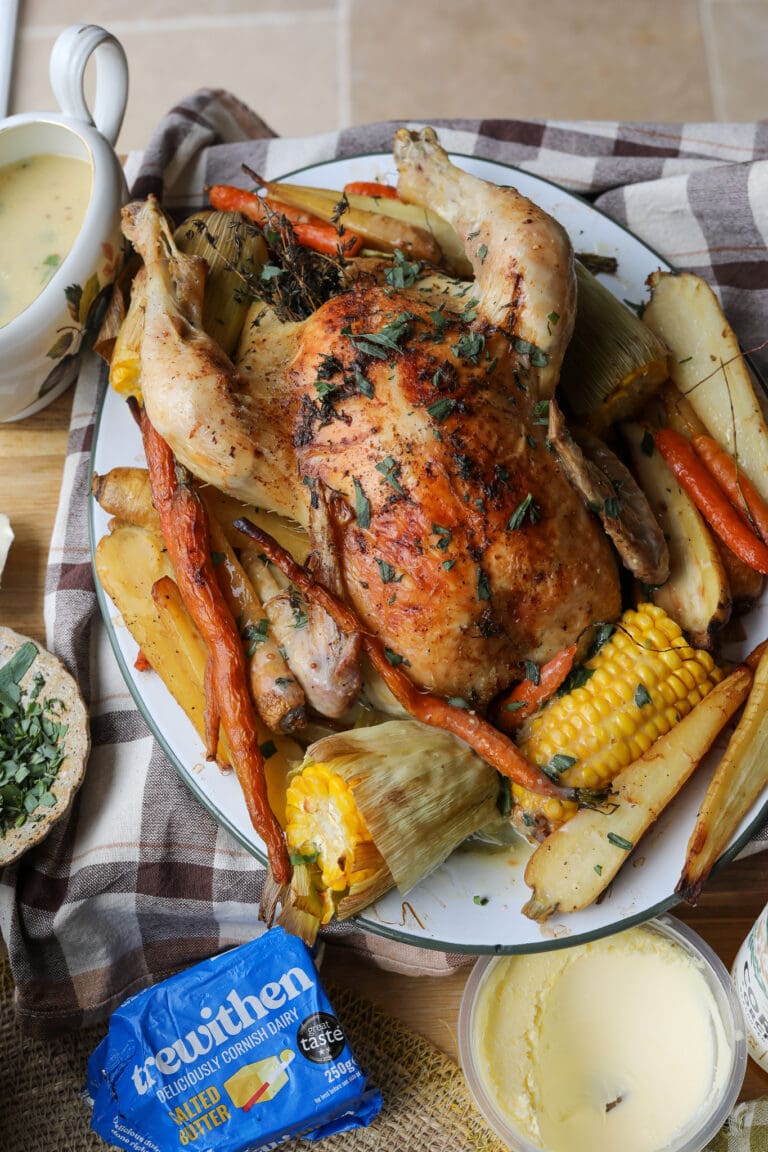
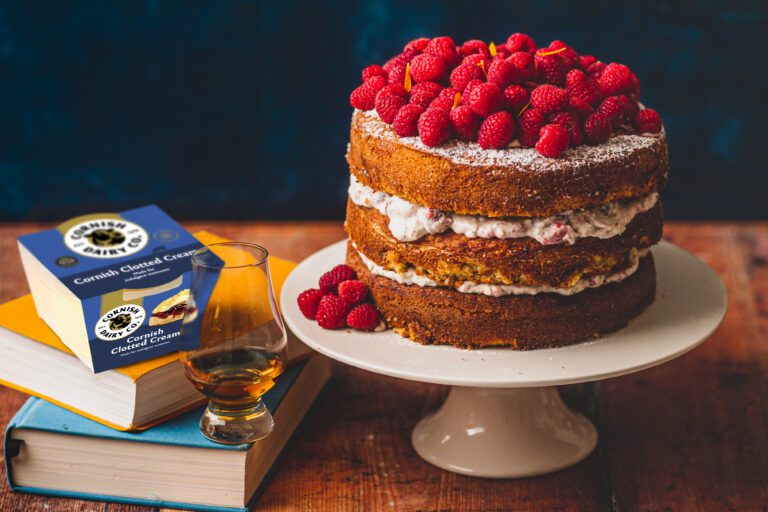
There are many ways to enjoy Cornish clotted cream, from classic bakes to modern twists, and from sweet treats to rich savoury dishes. Cornish clotted cream lends itself to all sorts of recipes beyond the traditional cream tea. Stir it into fudge for an extra-rich texture, use it as the base for a decadent trifle, or swirl it through homemade ice cream for a silky, indulgent finish. On the savoury side, it adds a luxurious creaminess to soups, risottos, or mashed potatoes. Below are a few of our favourite ways to put a tub of Cornish clotted cream to good use.



Why Choose Cornish Dairy Co?
At Cornish Dairy Co, the health and welfare of the cows behind every tub of our Cornish clotted cream matters deeply to us and our farmers alike. All our supplying farms are located within 25 miles of the dairy, and we take pride in knowing each of our farmers personally – a level of closeness that means real accountability.
Every farm is different, but all our farmers share the same core values and meet a comprehensive set of farming standards for animal health, welfare, and husbandry. We see ourselves as caretakers of the land, recognising the responsibility we share with our farmers to protect the environment for generations to come.

Check out our other Cornish Dairy products
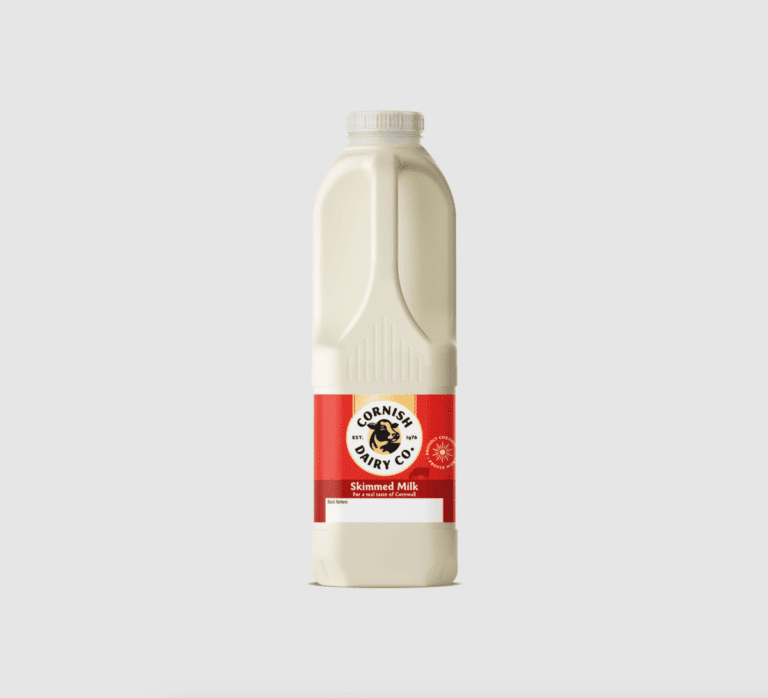
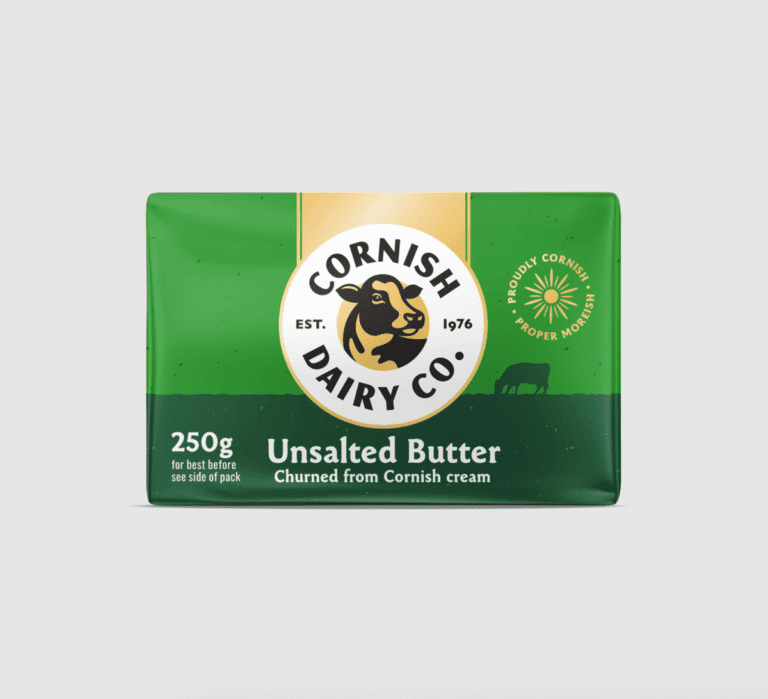
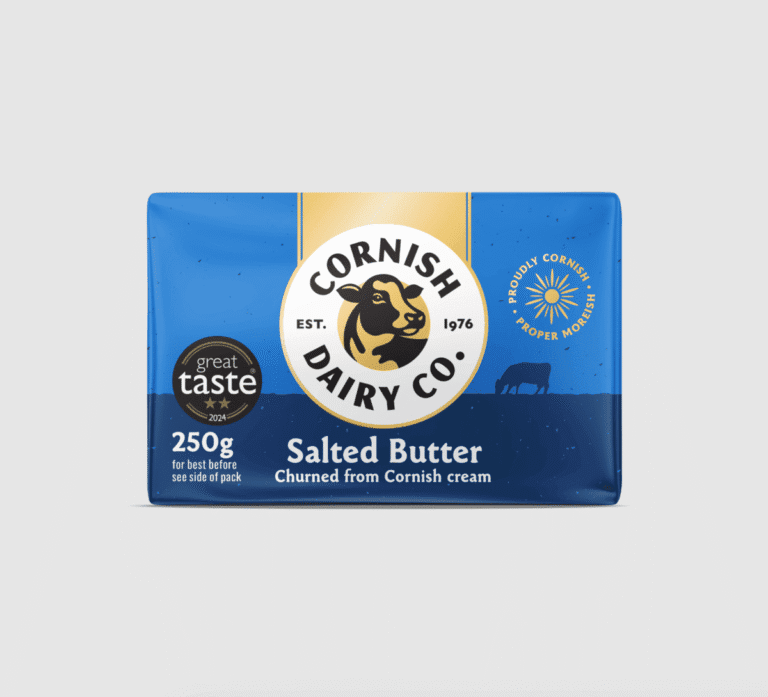
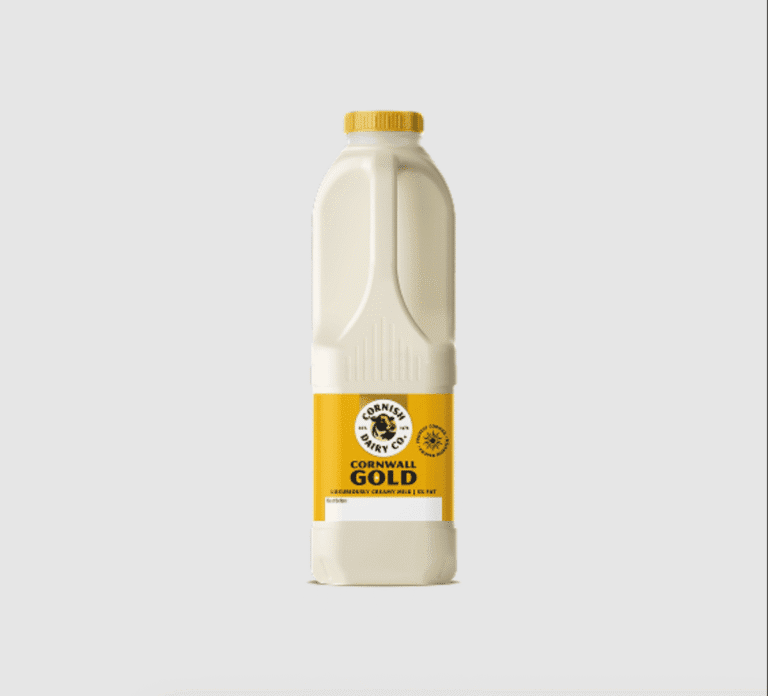
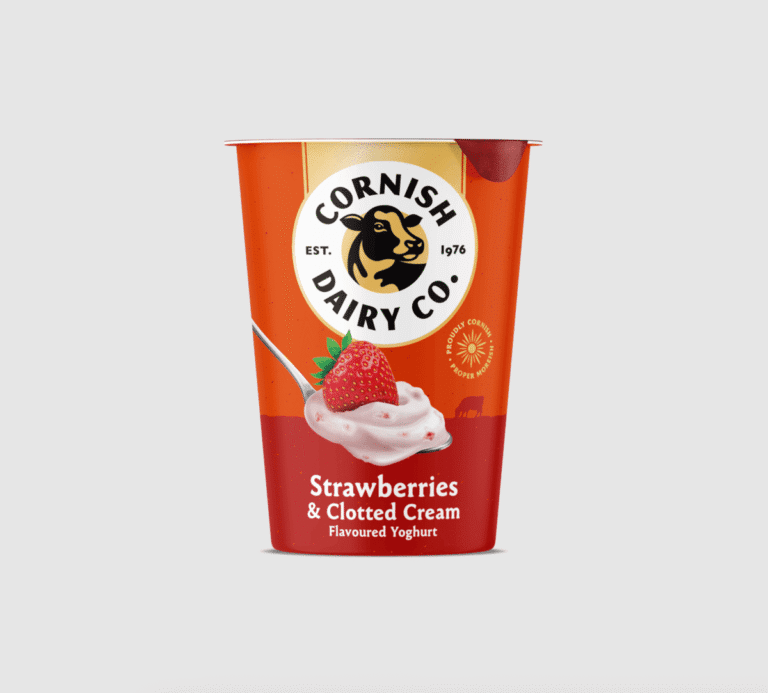
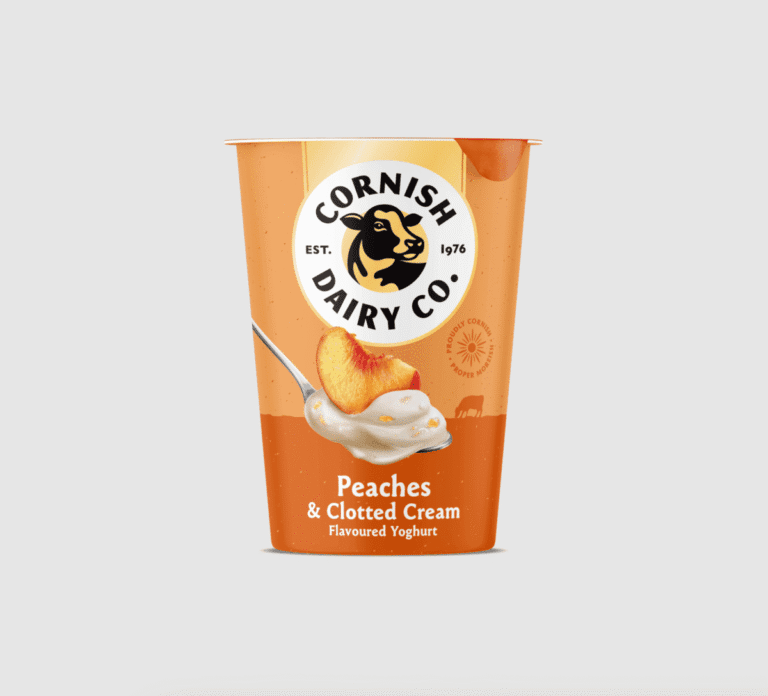
Cornish clotted cream is just one part of the Cornish Dairy Co range. From creamy butters to indulgent ice creams, our full collection of dairy products is made using the same high-welfare milk from local Cornish herds, bringing that same authentic taste of Cornwall to every product on the shelf. Explore the range to find your next favourite.
Are You a Business Looking to Stock Proper Cornish Clotted Cream?
Whether you run a café, farm shop, hotel, or retail outlet, we’d love to supply your business with genuine, PDO-certified Cornish clotted cream. Our trade and wholesale team can help with everything from order volumes to delivery schedules, ensuring your customers get the same authentic taste of Cornwall we’re known for.
FAQs
Learn more about our Cornish Dairy Co standards and delicious products.
What is Cornish clotted cream?
Cornish clotted cream is a traditional dairy product made from heating Cornish cream then baking it in an oven for a minimum of one hour. During this time the cream fat rises to the surface and during the cooling process forms the famous crust.
Is Cornish clotted cream the same as clotted cream?
Not quite. “Clotted cream” is a general term, but Cornish clotted cream is a protected product – it must be made in Cornwall, from Cornish milk, using the traditional slow-heating method. This is what gives it PDO status and sets it apart from generic clotted cream.
How do you make Cornish clotted cream?
We make our Cornish clotted cream very carefully, in line with the requirements of its Protected Designation of Origin (PDO) status. We heat our Cornish cream very slowly at a low temperature until we have a generous, golden crust.
Is it jam or cream first?
The proper Cornish way to enjoy a cream tea is to break the scone with your hands, before spreading each side with a layer of jam followed by a generous dollop of Cornish clotted cream. The jam prevents the warm scone from melting the cream!
What are the Cornish Dairy Co farming standards?
We hold ourselves and our farmers to genuinely rigorous standards, not just stated values. That means looking after the long-term health of the land, farming responsibly for the future, and being accountable to benchmarks that go well beyond the industry norm.
How long does clotted cream last?
Always check the use by date on the pack and consume within three days of opening. Clotted cream has a short shelf life so needs to be refrigerated.
Can you freeze Cornish clotted cream?
Yes, clotted cream can be frozen, but it may affect the texture and consistency. While it’s generally recommended to enjoy it fresh for the best experience, freezing clotted creamu003c/au003e is an option if you need to preserve it.
What can you use clotted cream for besides scones?
We love it stirred through scrambled eggs, spooned into mashed potato and added to ragus to add depth and richness. Cornish clotted cream is so versatile for both savoury and sweet dishes. It can also be served with fresh berries, used as a spread on toast, or dolloped onto crumpets.
What is the difference between Cornish clotted cream and Devonshire clotted cream?
The key difference is where they’re made. Cornish clotted cream must be produced in Cornwall using milk from Cornish dairy herds, while Devonshire clotted cream is made in Devon. Both are rich and indulgent, but their protected status ties them to their place of origin.
Which is healthier: Cornish clotted cream or butter?
Cornish clotted cream tends to be slightly lower in fat than butter, but portion sizes are often larger because it’s eaten more indulgently.
Is Cornish clotted cream pasteurised?
Yes, our Cornish clotted cream is made using pasteurised milk, ensuring it meets food safety standards while retaining its traditional flavour and texture.
Can you eat Cornish clotted cream when pregnant?
As it’s made with pasteurised milk, Cornish clotted cream is generally considered safe to eat during pregnancy in moderation. As with any dietary question during pregnancy, it’s worth checking with your GP or midwife if you have any concerns.
Contact us
Phone, email, social media, or even a good old letter. We are happy to hear from you.