
There’s nothing quite like a proper batch of Cornish scones, fresh from the oven and still warm enough to melt a knob of golden butter before the clotted cream even gets a look in. Whether you grew up holidaying in Cornwall or you’re simply chasing that cream tea nostalgia from your own kitchen, this Cornish scones recipe will show you how it’s properly done – fluffy, golden, and just the right side of crumbly. We’ll talk you through the method step by step, settle the great jam-versus-cream debate once and for all, and share our tips for getting that perfect rise every time.
Table of Contents
What Is a Cornish Scone?
A Cornish scone is a light, slightly sweet bake made from flour, butter, sugar, milk and a raising agent, baked until golden. It’s the foundation of a proper Cornish cream tea, served warm and split in half, ready for jam and clotted cream. What sets it apart isn’t really the Cornish scone recipe itself; it’s how it’s made and served.
A Brief History of the Cornish Scone
Scones have been part of British baking for centuries, but the cream tea as we know it has strong roots in Cornwall and Devon, with both counties laying claim to the tradition. Some accounts trace it back to Tavistock Benedictine Abbey in Devon, where monks are said to have served bread with cream and jam to workers as far back as the 11th century.
Cornwall’s connection runs just as deep. With clotted cream production dating back generations and Cornish dairy farms producing it fresh to this day, the cream tea became a staple of Cornish hospitality, served in farmhouse kitchens and seaside cafes long before it became a tourist favourite.
What Makes a Cornish Scone Different from a Regular Scone?
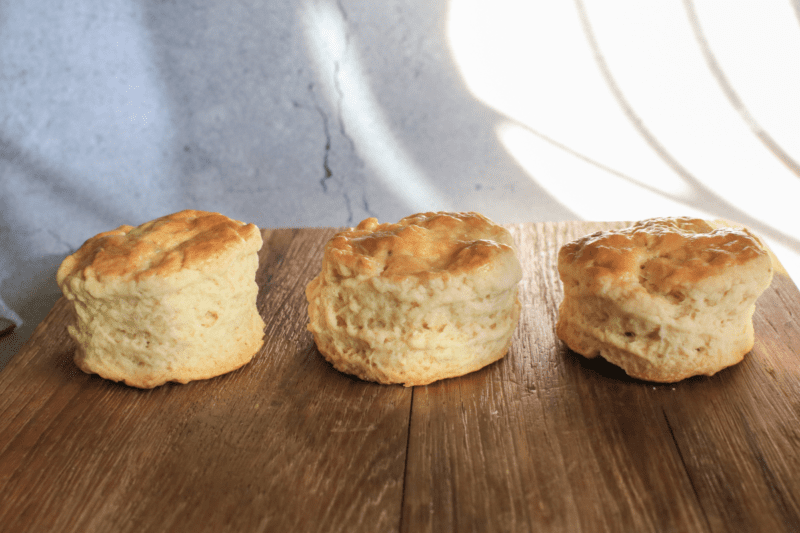
A Cornish scone is usually plainer than other scone recipes. Using less butter in the dough keeps the texture light, leaving room for the clotted cream to add richness. The result is a scone with a slightly crisp, golden outside and a soft, fluffy crumb that pulls apart easily.
Cornish Scone vs Devon Scone: Let’s Settle This!
This is one debate that divides opinion across the West Country, and many people have a strong view on it. The scones themselves aren’t all that different; the real disagreement comes down to one thing: what goes on first.
The Cream Tea Debate: Jam First or Cream First?
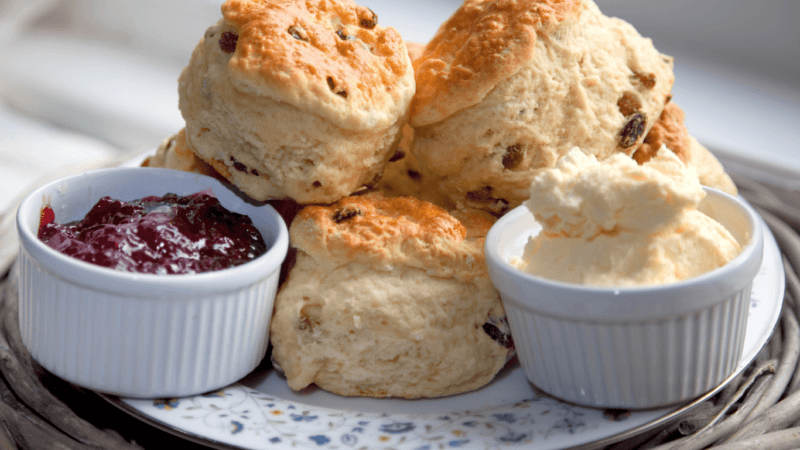
In Devon, the tradition is cream first, then jam on top. In Cornwall, it’s the other way round, jam first, then a generous spoonful of clotted cream piled on top.
The Cornish method has a practical side to it too. Spreading jam first on a warm scone lets it melt slightly into the bake, while the clotted cream sits on top, holding its shape rather than sinking in. It also means the cream is the last thing you taste, which, depending on who you ask, is exactly the point.
What Is the Cornwall Way of Serving Scones?
The Cornish way is simple: split the scone, spread strawberry jam first, then top generously with clotted cream. No butter is needed, since the cream takes care of that.
Served still warm with a pot of tea, this is the classic Cornish cream tea.
How to Make Proper Cornish Scones: The Recipe
This recipe is based on the classic BBC Good Food’s scone recipe.
Ingredients
Makes 8 scones
- 350g self-raising flour, plus extra for dusting
- 1 tsp baking powder
- ¼ tsp salt
- 85g cold unsalted butter, cubed
- 3 tbsp caster sugar
- 175ml Cornish whole milk, plus a little extra if needed
- 1 tsp vanilla extract
- A squeeze of lemon juice
- 1 egg, beaten, for glazing
- Strawberry jam and Cornish Dairy Co clotted cream, to serve
Equipment You’ll Need
- Large mixing bowl
- Baking tray
- Baking paper or a silicone liner
- Round pastry cutter (about 5cm)
- Rolling pin
- Pastry brush
- Wire cooling rack
Method: Step by Step
- Heat the oven. Set your oven to 220°C (200°C fan/gas mark 7) and line a baking tray with baking paper.
- Mix the dry ingredients. Tip the flour, baking powder and salt into a large bowl and give it a quick stir to combine.
- Rub in the butter. Add the cold cubed butter and rub it into the flour using your fingertips, lifting the mixture as you go to add air. Keep going until it looks like fine breadcrumbs, then stir through the sugar.
- Warm the milk. Gently heat the milk until just warm, not hot, then stir in the vanilla extract and a squeeze of lemon juice.
- Bring the dough together. Make a well in the centre of the dry mix and pour in most of the milk. Use a butter knife to bring everything together into a soft dough, adding the rest of the milk if it feels dry. The dough should be soft but not sticky.
- Shape gently. Turn the dough out onto a lightly floured surface and pat it together with your hands. Don’t knead it, just bring it together gently so the scones stay light.
- Roll and cut. Pat or roll the dough out to about 4cm thick. Use your cutter to stamp out rounds, pressing straight down without twisting, then gather the offcuts and repeat until you’ve used it all up.
- Glaze and bake. Place the scones on your lined tray, brush the tops with beaten egg, and bake for 12 to 15 minutes until well risen and golden on top.
- Cool slightly. Move the scones to a wire rack and let them cool for a few minutes before serving warm, split and ready for jam and a generous spoonful of clotted cream.
Tips for the Perfect Cornish Scone
Why You Shouldn’t Overwork the Dough
The biggest mistake people make with scones is treating the dough like bread. The more you knead and handle it, the more the gluten develops, and that’s what gives you tough, dense scones instead of light, fluffy ones.
Once the wet and dry ingredients come together, stop. The dough should look a bit rough and shaggy, not smooth. Gather it gently with your hands, pat it out, and resist the urge to fuss over it.
The Secret to a Good Rise
A good rise comes down to a few small things working together.
- First, make sure your baking powder is fresh, as it loses its strength over time, and tired raising agents are one of the most common reasons scones come out flat.
- Second, when you cut your rounds, press the cutter straight down and lift it straight back out. Twisting seals the edges and stops the scone rising evenly, so you end up with a lopsided result.
- Finally, get them into a hot oven quickly once they’re cut. Scones rise best when they go from cold dough to a hot oven with as little delay as possible.
Should You Use Butter or Clotted Cream in the Dough?
Stick with butter in the dough, and save the clotted cream for the top. Butter, when rubbed into the flour, creates little pockets of fat that melt during baking and help the scone rise with a light, flaky texture.
How to Get That Golden Top
A beaten egg glaze brushed over the tops just before baking is what gives Cornish scones that warm, golden colour. Apply it gently with a pastry brush. If you don’t have egg to hand, a brush of milk will give a softer, lighter colour. Either way, a hot oven and a thin, even glaze are what get you that proper bakery look.
How to Serve Cornish Scones the Proper Way
The Classic Cornish Cream Tea: What You Need
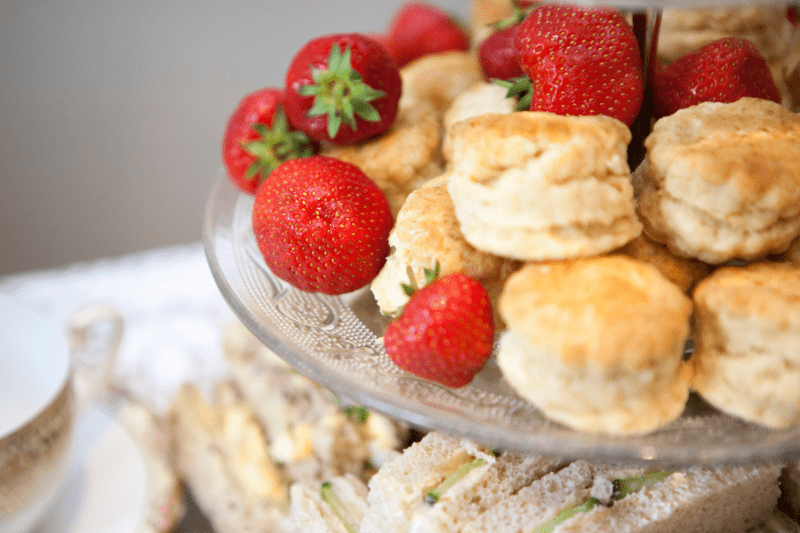
A proper Cornish cream tea comes down to three things done well: a freshly baked scone, good strawberry jam, and plenty of Cornish clotted cream. Skimp on any one of these and it’s not really a cream tea at all.
The clotted cream is the star of the show. Look for a thick, golden crust on top, a sign it’s been made properly, and a rich, slightly nutty flavour underneath. Cornish Dairy Co’s clotted cream is made the traditional way using fresh local milk, giving it that proper texture and taste that holds its shape beautifully on a warm scone.
Presentation matters too. Scones are traditionally served whole on a plate, split open rather than pre-cut, so they stay warm for longer and the cream doesn’t melt before it’s even served.
Tea is non-negotiable. A pot of strong, properly brewed tea, served with milk, rounds off the experience and gives you something to sip between bites.
Finally, don’t rush it. A cream tea is meant to be unhurried, a chance to sit down, take a breath and enjoy something simple done well, with that clotted cream taking centre stage.
Where to Buy Cornish Scones
Can You Order Cornish Scones Online?
If you don’t have the time or inclination to make your own Cornish scones, plenty of Cornish bakeries and food producers now sell scones online. These are a handy option if you fancy a taste of Cornwall without the baking, or if you’re putting together a gift hamper for someone who loves a proper cream tea.
That said, there’s something special about baking your own. If you’ve followed our Cornish scones recipe above, you’re already most of the way to a better result than anything that arrives in the post.
Finding Cornish Dairy Co. Clotted Cream Near You
Whether you bake your own scones or buy them in, you’ll need proper Cornish clotted cream to go with them. Cornish Dairy Co’s clotted cream is stocked in major UK supermarkets including Tesco, Sainsbury’s, Asda, Morrisons and Ocado, as well as Spar stores across Cornwall.
If you’re holidaying in Cornwall, keep an eye out for Cornish Dairy Co products in local farm shops, cafes and tourist attractions across the county. For a full list of stockists near you, visit our where to buy page.

FAQs: Your Cornish Scone Questions Answered
Do you put jam or cream on a Cornish scone first?
Jam first, then clotted cream on top. This is the Cornish way, as opposed to Devon, where cream goes on first.
Are Cornish scones different from other scones?
Yes, slightly. Cornish scones tend to be lighter and less buttery than other versions, leaving plenty of room for a generous helping of clotted cream on top.
What is the Cornwall way of scones?
Split the scone, spread strawberry jam first, then top with a generous spoonful of clotted cream. No butter needed.
Can I use self-raising flour instead of plain flour?
This recipe already uses self-raising flour, so no changes are needed. If a recipe calls for plain flour, you’d need to add baking powder separately.
Why are my scones not rising?
This is usually down to using old baking powder, overworked dough, or twisting the cutter when shaping. Fresh raising agent, a light touch and a hot oven all help.
How long do homemade Cornish scones keep?
Best eaten the day they’re made, but they’ll keep in an airtight container for up to 2 days. Warm them slightly before serving to bring back that fresh-baked taste.
Can you freeze Cornish scones?
Yes. You can freeze baked scones in an airtight container for up to a month, then thaw and warm through in the oven. You can also freeze the unbaked dough rounds and bake from frozen, adding a couple of extra minutes. You can also freeze clotted cream!